
How Proper Used Cooking Oil Storage Protects Your Restaurant
In today’s eco-conscious world, the importance of proper storage and management of used cooking oil cannot be overstated, especially in bustling restaurant environments. Leveraging grease recycling services plays a critical role in sustaining a green initiative within the food industry while ensuring compliance with health and safety standards.
1. Why is Proper Used Cooking Oil Storage Important for Restaurants?
1.1 Environmental Impact
Improper disposal of used cooking oil poses a significant threat to the environment. When not stored correctly, it often ends up in landfills or drains, leading to contamination of water sources and natural habitats. Recycling services transform used oil into biodiesel and other products, mitigating environmental harm. Notably, according to Earth911, Americans consume about 12.25 million metric tons of soybean oil each year, underscoring the importance of recycling large oil quantities sustainably.
The introduction of efficient recycling procedures not only aids in minimizing restaurant carbon footprints but also supports a circular economy. By collaborating with reputable providers, restaurants can partake in environmentally friendly practices, thus appealing to an increasingly eco-conscious consumer base.
1.2 Health and Safety Regulations
In addition to environmental concerns, proper storage of used cooking oil is crucial in adhering to stringent health and safety regulations. Used oil that is improperly handled can become a breeding ground for bacteria and pests. Grease spillages also present slip hazards, potentially leading to workplace accidents.
To combat these issues, regulatory bodies have set forth guidelines that restaurants must follow to ensure workplace safety and hygiene. Implementing appropriate storage measures helps prevent violations and associated fines, securing a restaurant’s operational integrity.
1.3 Cost Savings
While maintaining robust storage systems may seem costly initially, restaurants stand to save significantly over time. Efficient management of used oil can lower operational expenses by reducing waste and extending the life of oil through recycling. This economic benefit is compounded when engaging with a grease recycling service that can offer financial incentives for the collection and processing of used oil.
Additionally, converting waste oil into biodiesel or selling it to recycling firms presents an opportunity for restaurants to create an additional revenue stream. The initial investment in storage solutions thus translates into long-term savings and financial gains.
1.4 Brand Reputation
A restaurant’s commitment to sustainable practices can considerably enhance its brand reputation. Customers today are increasingly favoring businesses that prioritize environmental responsibility. By adopting effective cooking oil storage and recycling practices, restaurants can differentiate themselves in a competitive landscape.
Promoting transparency in these sustainable efforts can be an effective marketing strategy. It not only demonstrates corporate social responsibility but also builds trust and loyalty among patrons who value sustainable dining experiences.
2. How Do Grease Recycling Services Work?
2.1 Collection Process
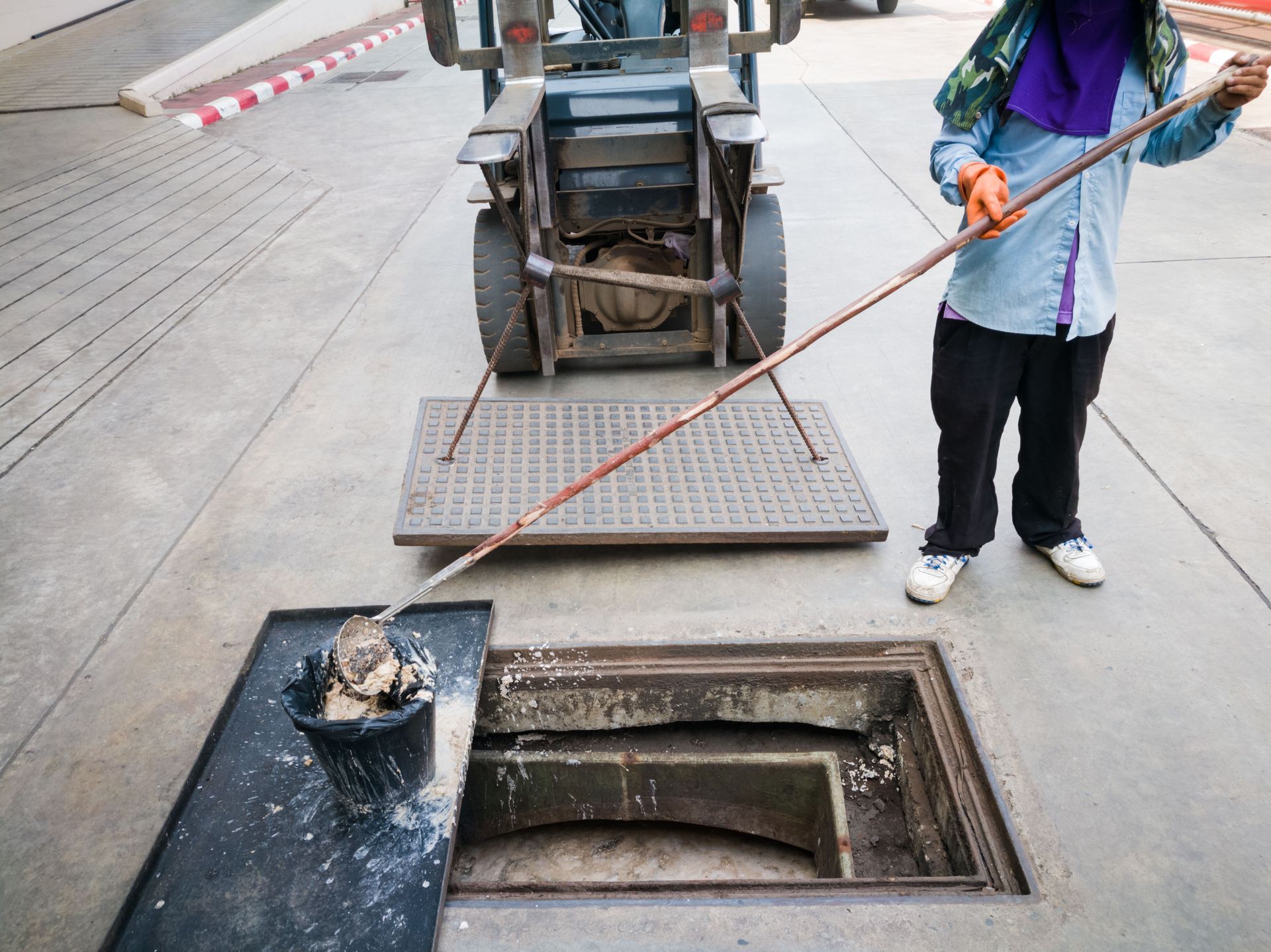
Grease recycling services typically begin with collecting used cooking oil from restaurants. The process involves professional teams visiting restaurants regularly to collect stored cooking oil. These services often provide specialized containers designed to safely accumulate and transport the oil, ensuring minimal risk of spills or contamination during transit.
Once collected, the oil is transported to recycling facilities where it undergoes assessment and processing. This seamless process is pivotal to maintaining restaurant schedules and ensuring compliance with environmental guidelines. Engaging with a reliable grease recycling service simplifies the collection logistics, allowing restaurant staff to focus on their core responsibilities without disruptions.
2.2 Processing Methods
At the recycling facility, collected grease undergoes processing which often involves refining the oil to remove impurities. Through various mechanical and chemical processes, the oil is converted into valuable products such as biodiesel, livestock feed supplements, or even soap.
These conversions highlight the versatility of used cooking oil and its potential to contribute to industries beyond the culinary sphere. By opting for grease recycling services, restaurants play a pivotal role in transforming waste into resources, emphasizing sustainability at every stage of the supply chain.
2.3 Service Benefits
The primary advantage of enlisting a grease recycling service is the hassle-free management of oil waste. Regular pickups reduce the onus on restaurant staff to dispose of large quantities of used oil, leading to cleaner and safer work environments. Additionally, these services often handle compliance documentation, further enhancing operational efficiencies.
Furthermore, by diverting waste oil to recycling facilities, restaurants can cut down on disposal costs, as these services often offer payment per gallon of collected oil. This mutually beneficial arrangement supports both environmental sustainability and economic efficiency.
2.4 Selecting a Provider
Choosing the right grease recycling service provider is essential to maximize the benefits. Restaurants should look for a provider with a strong reputation for reliability and environmental stewardship. Evaluating providers based on their service quality, customer support, and pricing structures can significantly impact the overall experience.
Moreover, selecting a provider aligned with the restaurant’s sustainability missions can enhance brand synergy. A reliable partner assures efficient recycling processes, aligned with the restaurant's long-term environmental goals.
3. What Are the Storage Options for Used Cooking Oil?
3.1 Indoor Storage Solutions
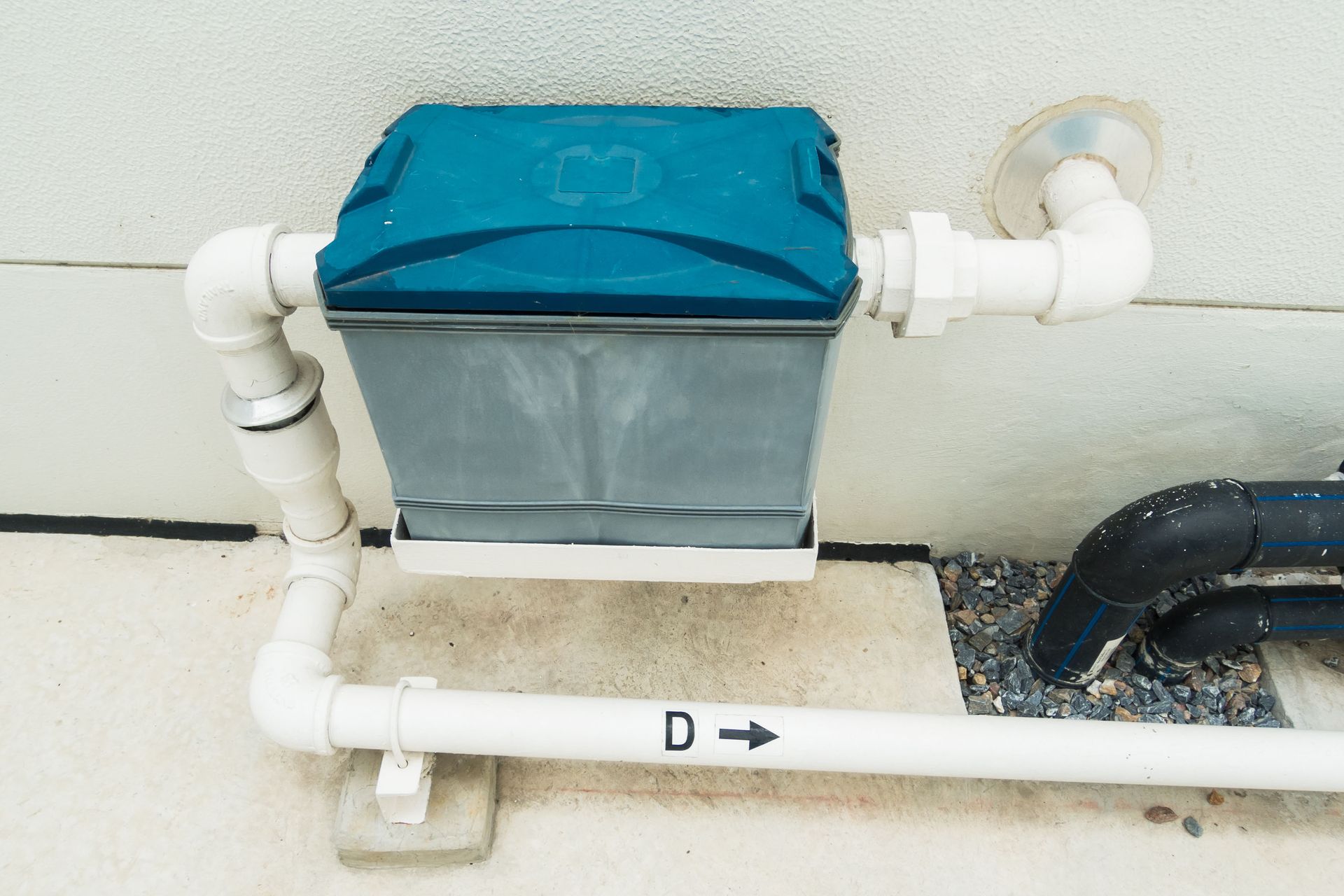
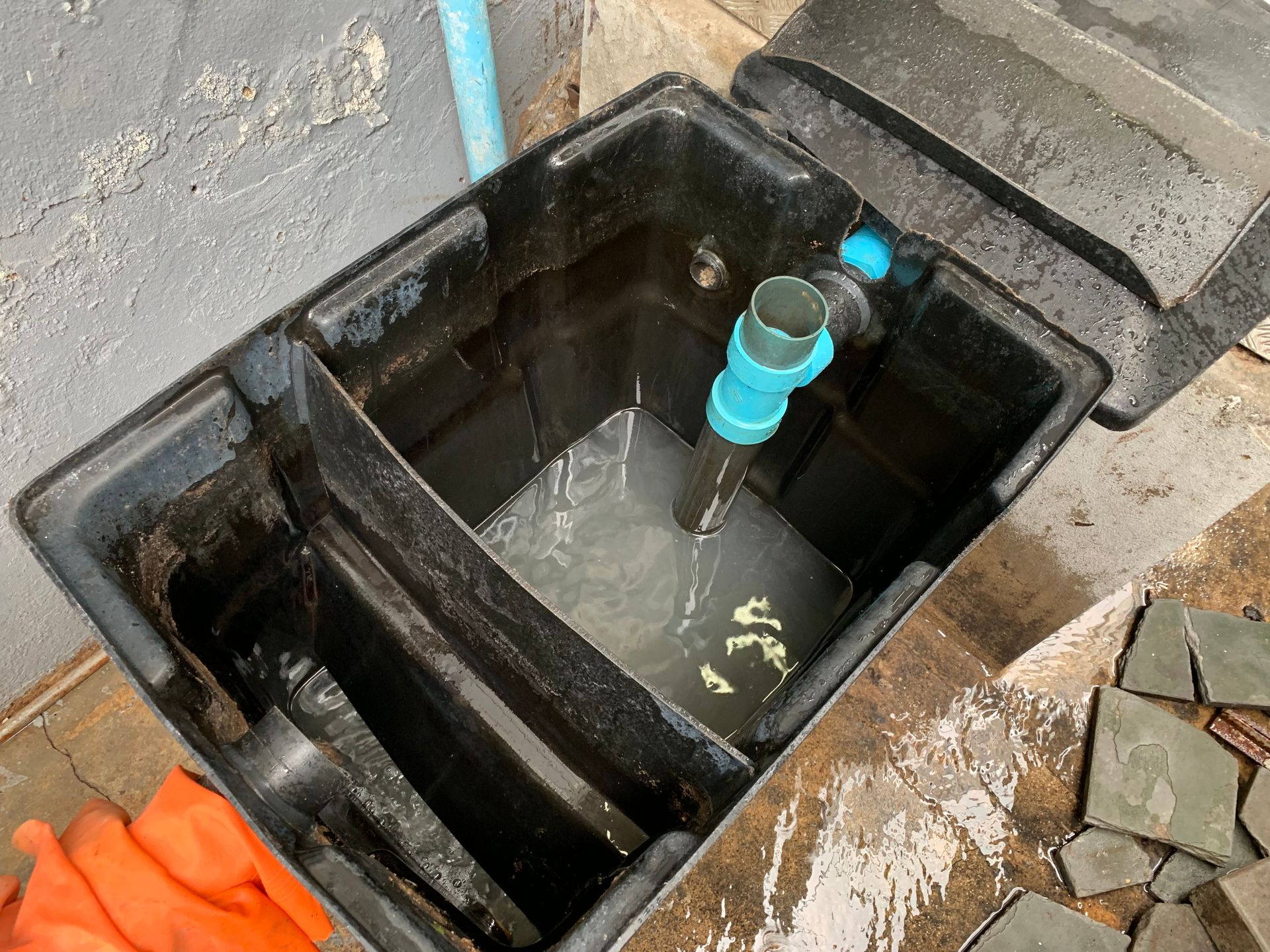
Indoor storage solutions for used cooking oil are ideal for establishments with limited outdoor space or those seeking to mitigate theft and vandalism risks. Options include specially designed containers and tanks that prevent leaks and odors, enhancing indoor safety.
Modern indoor systems come with features such as automated monitoring and temperature control, further refining the storage process. Ensuring adequate ventilation and adhering to fire safety guidelines are also critical considerations in designing efficient indoor storage systems.
3.2 Outdoor Storage Solutions
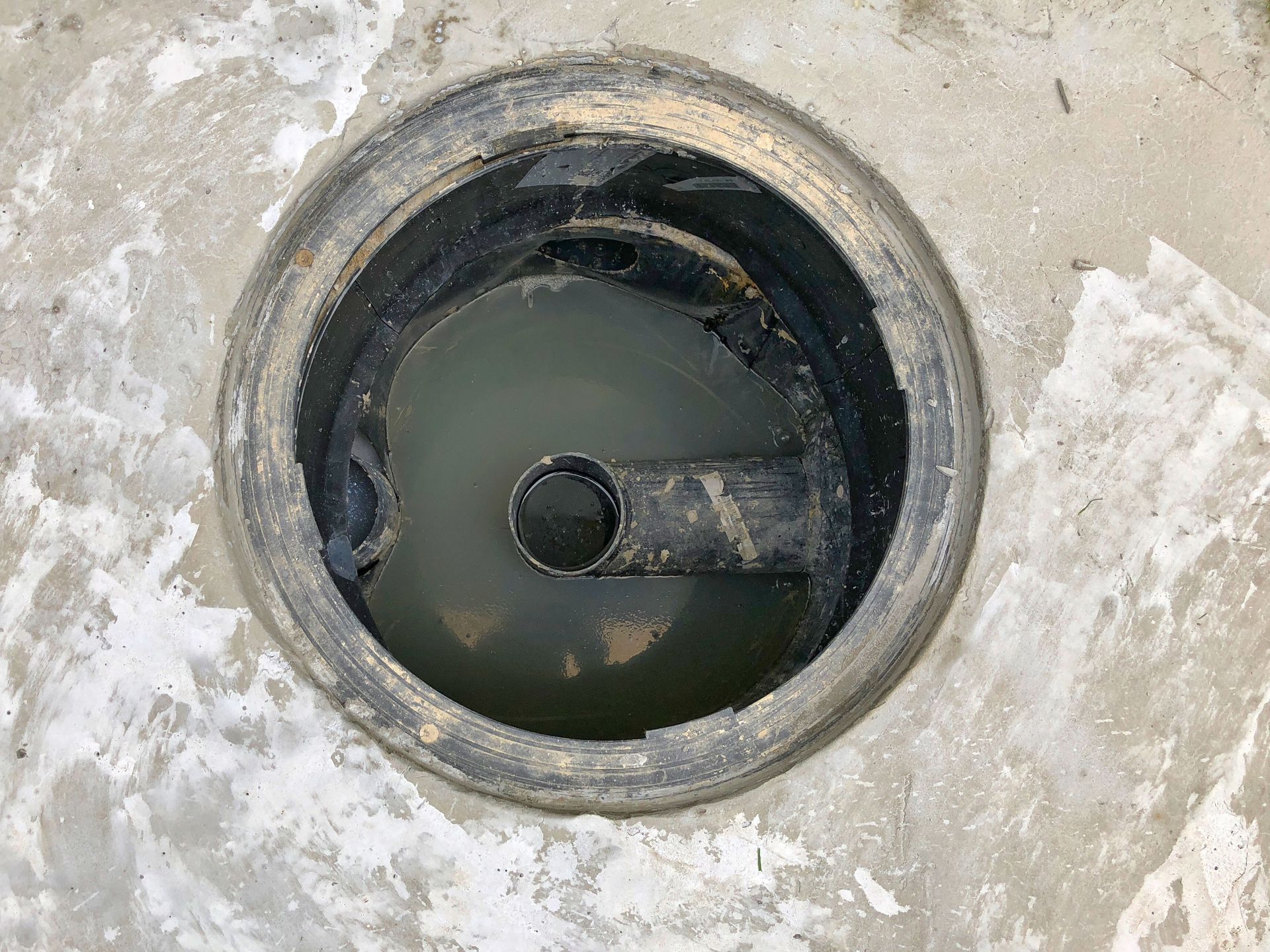
For restaurants with higher output of used oil, outdoor storage solutions offer a viable alternative. Larger capacity tanks can efficiently manage the volume of waste oil produced, while durable construction materials safeguard against weather elements.
Strategically positioned outdoor units can streamline the collection process for grease recycling services, facilitating easy access during pickups. Implementing secure enclosures and surveillance systems is advisable to protect outdoor units from unauthorized access.
3.3 Custom Storage Solutions
Custom storage solutions offer tailored approaches to managing used cooking oil, particularly beneficial for restaurants with unique layouts or specific operational needs. These bespoke systems ensure optimal storage capacity while aligning with existing infrastructure and workflow.
Collaboration with industry experts during the design phase enables the development of solutions that blend functionality with safety. Integrating innovative technologies can lead to efficient, cost-effective, and environmentally friendly storage options customized to fit individual restaurant specifications.
3.4 Costs Versus Benefits
Investing in effective storage solutions can be a cost consideration, yet the long-term benefits often surpass the initial expenditure. Secure and efficient storage minimizes waste and potential liabilities, translating into cost savings. Enhanced recycling yields also present an economic incentive.
By connecting with recycling programs, restaurants can realize the financial gains associated with oil recycling credits and incentives. Evaluating the upfront costs against these cumulative benefits reinforces the value of strategic investments in sustainable practices.
Proper storage of used cooking oil not only fulfills regulatory requirements and reduces environmental impact, but also provides economic advantages and enhances a restaurant's reputation. By engaging with efficient grease recycling services and adopting suitable storage solutions, restaurants can ensure operational efficiency and sustainability. The cumulative impact of these practices underscores the vital role restaurants play in promoting a greener future. Reach out to Grease Recyclers LLC today to see how we can assist your business for the better in the long run!
Share On: