How To Make Sure Your Grease Trap Is Working Properly
When it comes to maintaining a kitchen in a restaurant or food processing facility, few things are as important as ensuring your grease trap is working properly. A grease trap that functions well protects your plumbing, prevents costly backups, and keeps you in compliance with local regulations. At Grease Recyclers LLC, we understand that a properly operating grease trap is essential to your business. With the right knowledge and maintenance routine, your system can operate efficiently and effectively.
Prioritize Grease Trap Performance
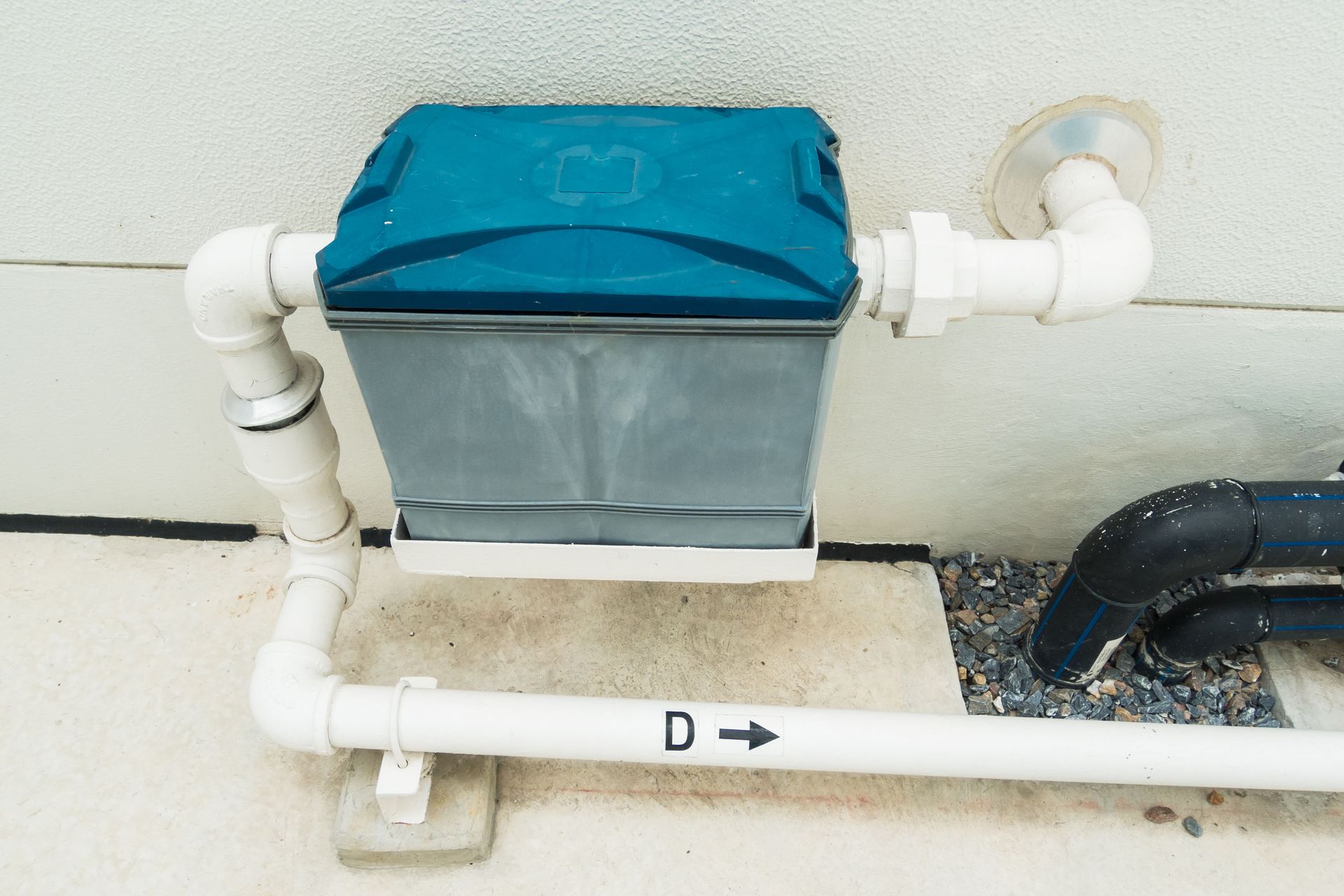
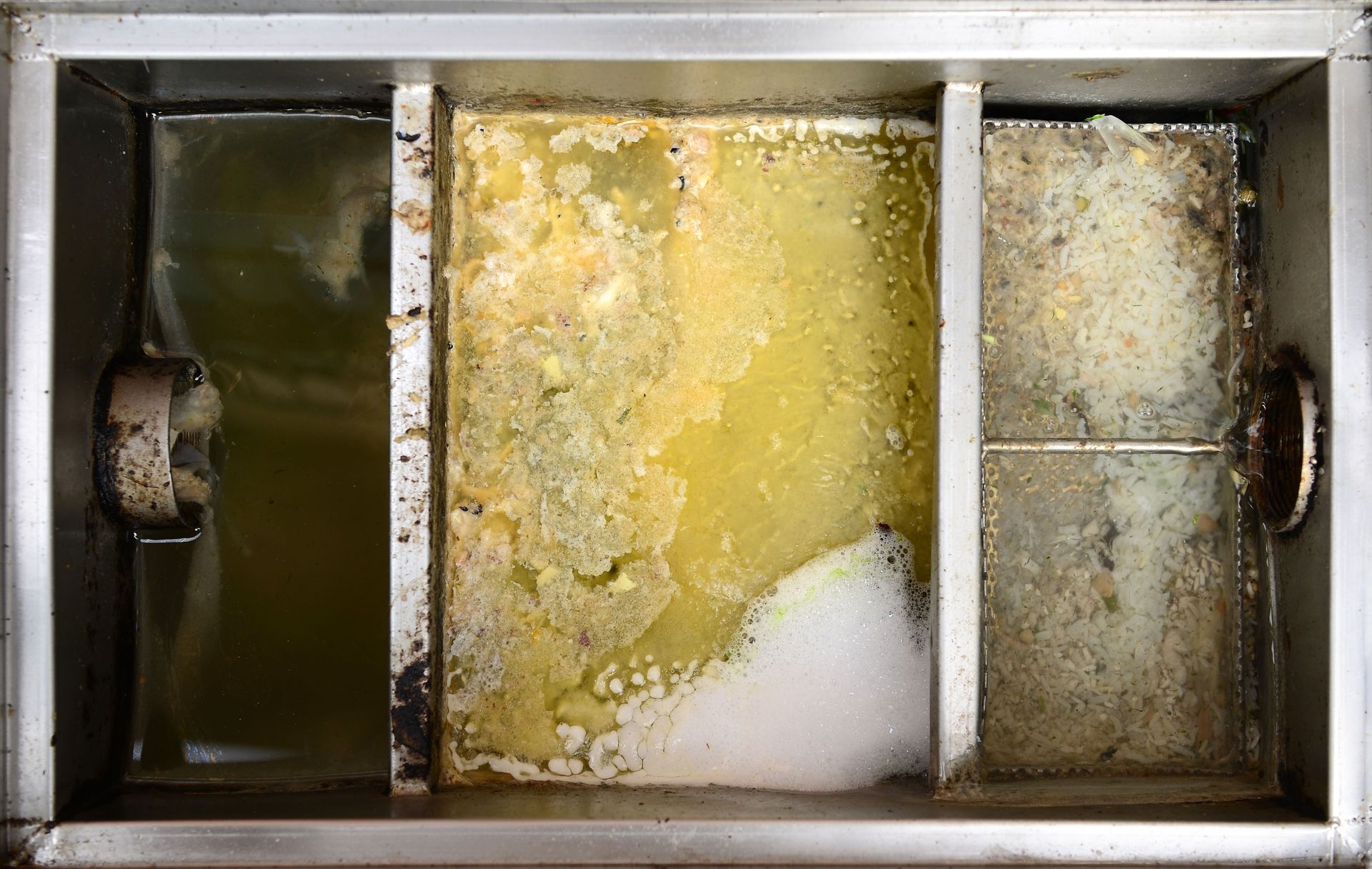
Your grease trap is more than just a box under the sink. It's a critical component of your kitchen's waste management system. Grease traps are designed to separate fats, oils, and greases from wastewater before the water enters the sewer system. When grease accumulates in plumbing, it can harden and cause blockages. These blockages lead to slow drains or even complete backups that can disrupt kitchen operations and create expensive repairs.
Knowing why grease trap performance matters gives you a foundation for maintaining it correctly. A well-functioning grease trap prevents unpleasant odors, sharp fines from regulatory agencies, and potential damage to your establishment's reputation. Choosing the right maintenance partner among grease recycling companies can make a significant difference in how well your grease trap performs over time.
Inspect Your Grease Trap
Inspection frequency is one of the most important factors in making sure your grease trap works properly. Unlike some equipment that can run for long periods without attention, grease traps require regular checks. The frequency of inspection depends on the size of your establishment, the volume of grease produced, and local regulations that may mandate specific schedules.
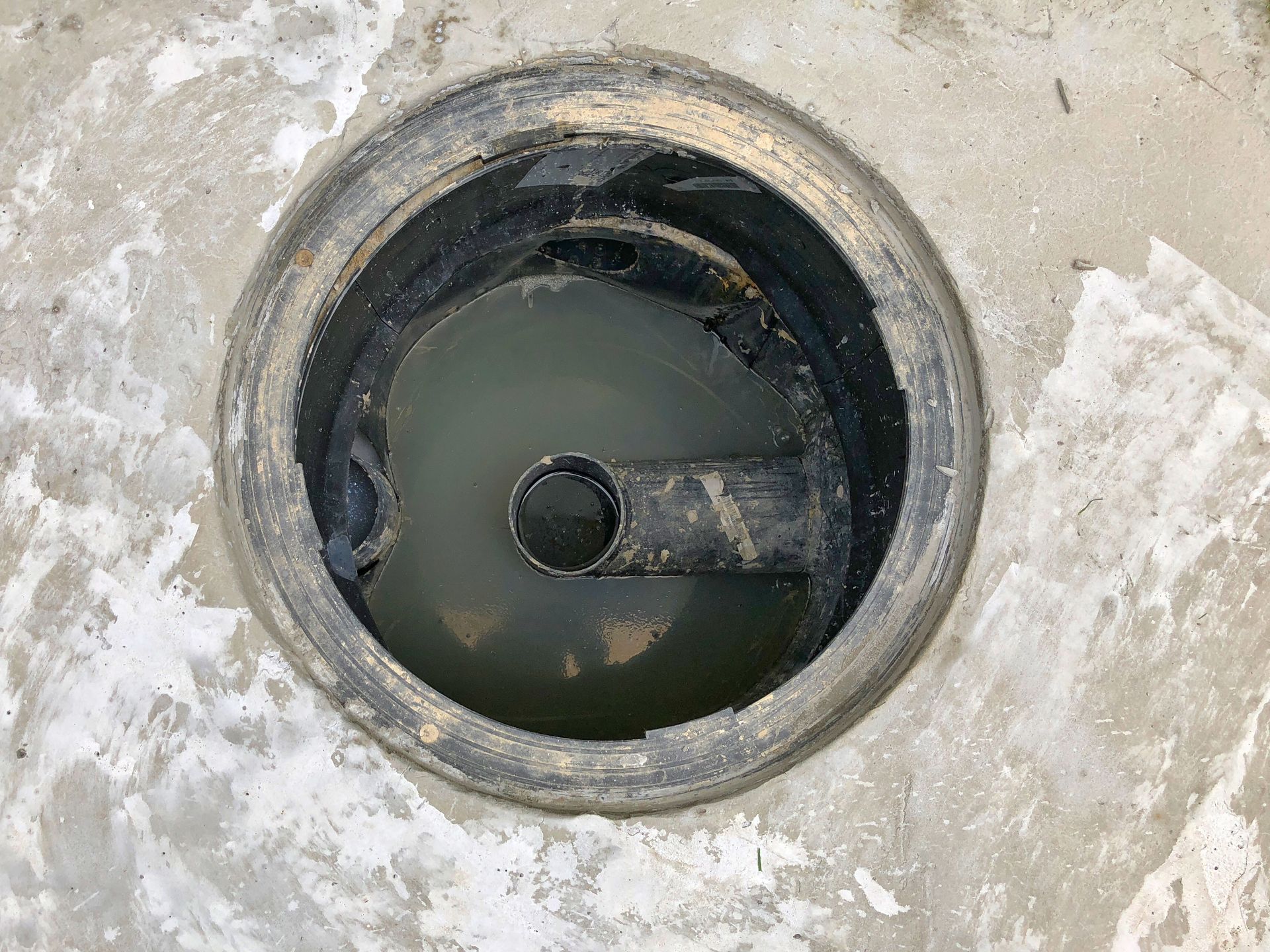
An inspection involves checking the level of grease and solids in the trap to determine whether it needs cleaning. According to GreaseGuardian.com, grease traps are rated by their flow capacity, like 15 GPM, 20 GPM, or 35 GPM, and paired with a grease capacity that is usually twice the flow rate in pounds, including 30 pounds, 40 pounds, or 70 pounds. This means that even a properly rated grease trap has a fixed capacity and must be serviced before it reaches that limit to remain effective.
By evaluating how often you inspect your grease trap, you keep it operating within capacity and reduce the risk of clogs. Working with professional grease recycling companies can help you set an inspection schedule tailored to the needs of your business.
Recognize Signs of Grease Trap Trouble
Even with regular inspections, you should always be alert to signs that your grease trap may not be working properly. Early detection of problems can save you from costly repairs and health code violations. There are several common indicators that something may be wrong with your system.
Slow drains are often one of the first signs of a grease trap nearing capacity. If wastewater is draining slowly from sinks or floor drains in the kitchen, you should suspect that grease buildup is impeding flow. Foul odors emanating from the grease trap area are another sign that grease and solid waste are accumulating beyond the trap's ability to contain them.
If you observe any unusual gurgling noises or backups in your plumbing system, it could be a sign that the grease trap isn't functioning correctly. In this case, reach out to experienced grease recycling companies for assessment and service. Prompt attention to these signs keeps your kitchen running smoothly and prevents damage to your plumbing.
Clean Your Grease Trap Effectively
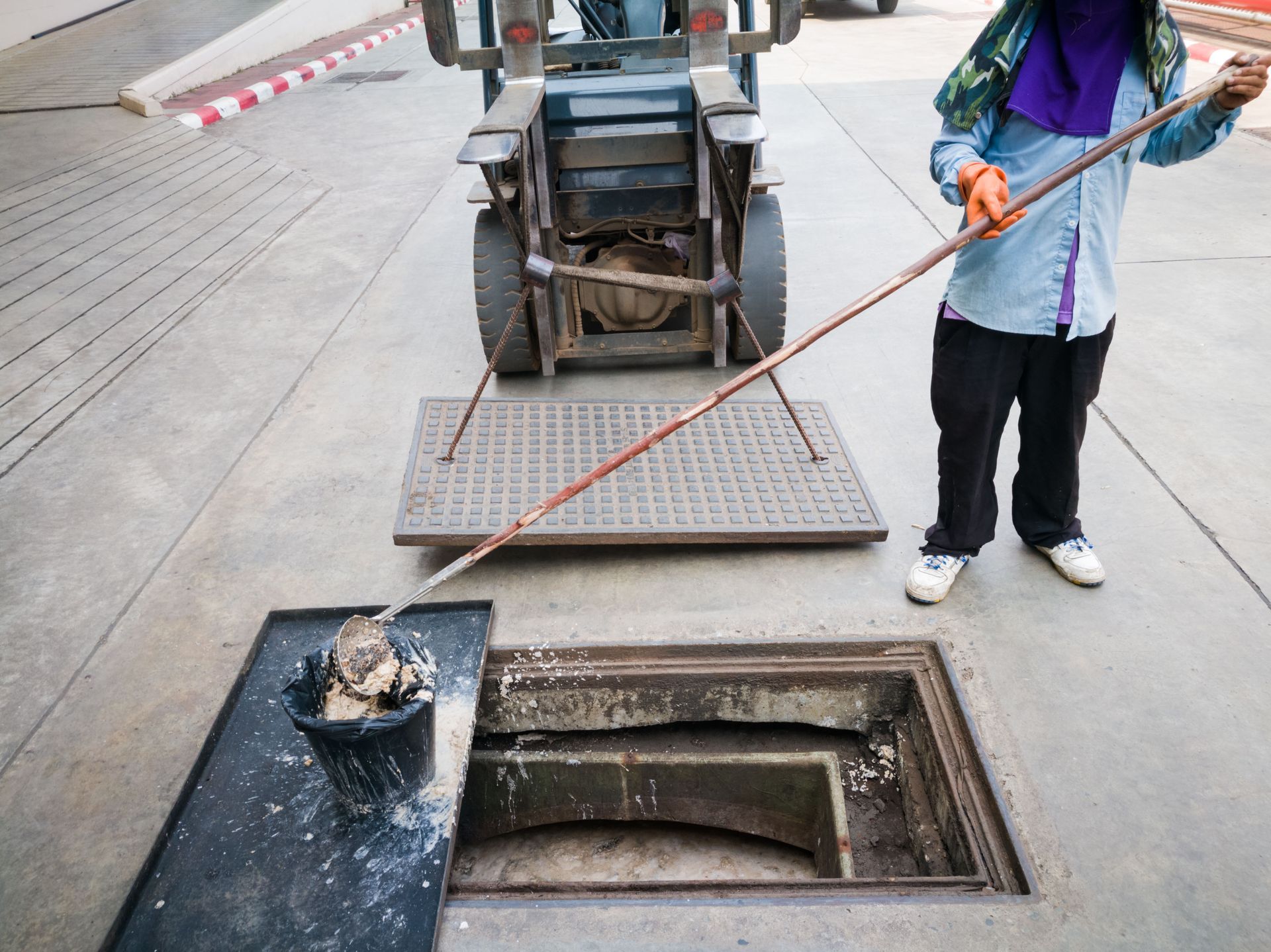
Cleaning your grease trap properly is essential to keep it operating efficiently. Many local codes require that grease traps be cleaned on a regular basis and that waste be disposed of in an approved manner. Effective cleaning goes beyond simply removing grease from the trap. It involves a thorough removal of all waste and proper disposal so that the trap can continue to separate grease from wastewater.
The first step in cleaning is to remove the lid and scoop out the accumulated grease and solids. This should be done carefully to avoid spills and odors. The interior walls and baffles of the trap should also be scraped clean. Some facilities use hot water and a mild detergent to help loosen buildup. After the bulk of the grease and solids are removed, the trap should be rinsed so that the remaining wastewater can flow freely.
It's crucial to work with professionals when handling grease waste. Reputable grease recycling companies not only clean your trap but also ensure that the waste is transported and recycled in a responsible way. By choosing a company like Grease Recyclers LLC, you ensure that your grease trap is cleaned in compliance with environmental and health regulations.
Train Your Staff on Grease Trap Care
Your grease trap will only perform at its best if your staff understands how to care for it properly. Training your kitchen team on grease management practices helps reduce the amount of grease that enters the trap in the first place. Proper practices include scraping food scraps into trash before washing dishes and using strainers in sink drains to catch solids.
Staff should also be trained to recognize when the grease trap needs attention. Encouraging them to report slow drains or unusual odors can ensure issues are addressed before they become emergencies. A trained team can also help maintain logs of inspections and cleanings to stay in compliance with local codes.
Bringing in experienced grease recycling companies to provide training sessions can be an investment in the long-term health of your kitchen's plumbing. These companies bring expert insight into daily practices that reduce the burden on your grease trap and enhance overall performance.
Choose the Right Grease Management Partner
Not all service providers are created equal when it comes to grease trap maintenance. Choosing the right grease management partner is essential to keeping your system functioning properly. You want a partner that understands your business needs and can provide reliable inspection, cleaning, and recycling services.
Grease recycling companies vary in their capabilities. Some offer basic pumping services, while others provide comprehensive grease management solutions that include recycling used grease into valuable byproducts. By selecting a knowledgeable and experienced provider, you benefit from consistent service schedules, accurate documentation, and trained technicians who can spot potential issues early.
At Grease Recyclers LLC, we offer tailored grease management plans that fit your business. We work with you to set inspection intervals, provide professional cleanings, and help you stay in compliance with local requirements. Our team understands the critical role grease traps play in your operations, and we're committed to helping you keep yours working properly.
A properly functioning grease trap isn't something you can take for granted. It requires ongoing attention, communication with your team, and collaboration with experts who understand the unique needs of your operation. By making grease trap care a priority, you protect your business from unexpected problems and costly repairs.
From regular inspections and effective cleanings to staff training and reliable record keeping, every step matters. Choosing the right partner among grease recycling companies ensures that you have the support and expertise needed to keep your system in top condition year-round.
At Grease Recyclers LLC, we're committed to helping businesses like yours maintain effective grease trap systems. Our experienced team provides comprehensive grease management services customized to your needs. Call us today to make sure your grease trap is working properly and keep your kitchen running smoothly.
Share On: