
What Happens to Recycled Grease?
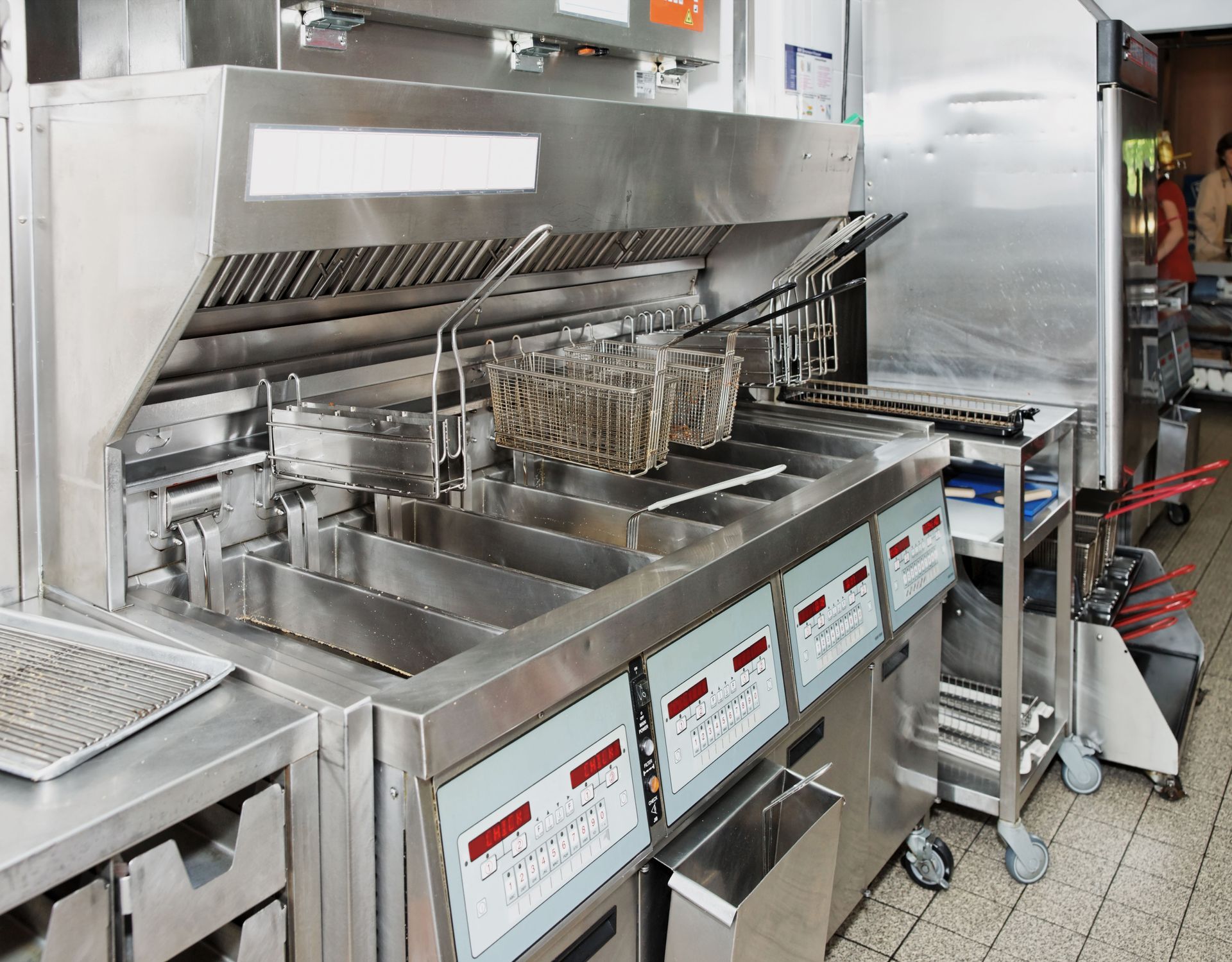
Used cooking oil may seem like little more than kitchen waste, but it actually has tremendous value when handled properly. Restaurants, commercial kitchens, food manufacturers, and other food service businesses generate significant amounts of used grease that can be collected, processed, and transformed into useful products. Understanding the journey of grease recycling helps businesses appreciate why responsible disposal benefits both their operations and the environment.
Instead of allowing grease to clog plumbing systems or end up in landfills, recycling facilities recover and refine these materials for a variety of industrial applications. According to the U.S. Energy Information Administration, sustainable aviation fuel production capacity increased from roughly 2,000 barrels per day to nearly 30,000 barrels per day by late 2024, and used cooking oil serves as one of the primary feedstocks for producing this cleaner fuel. This growing demand demonstrates how recycled grease has become an increasingly valuable resource in today's economy.
Collection Begins the Recycling Process
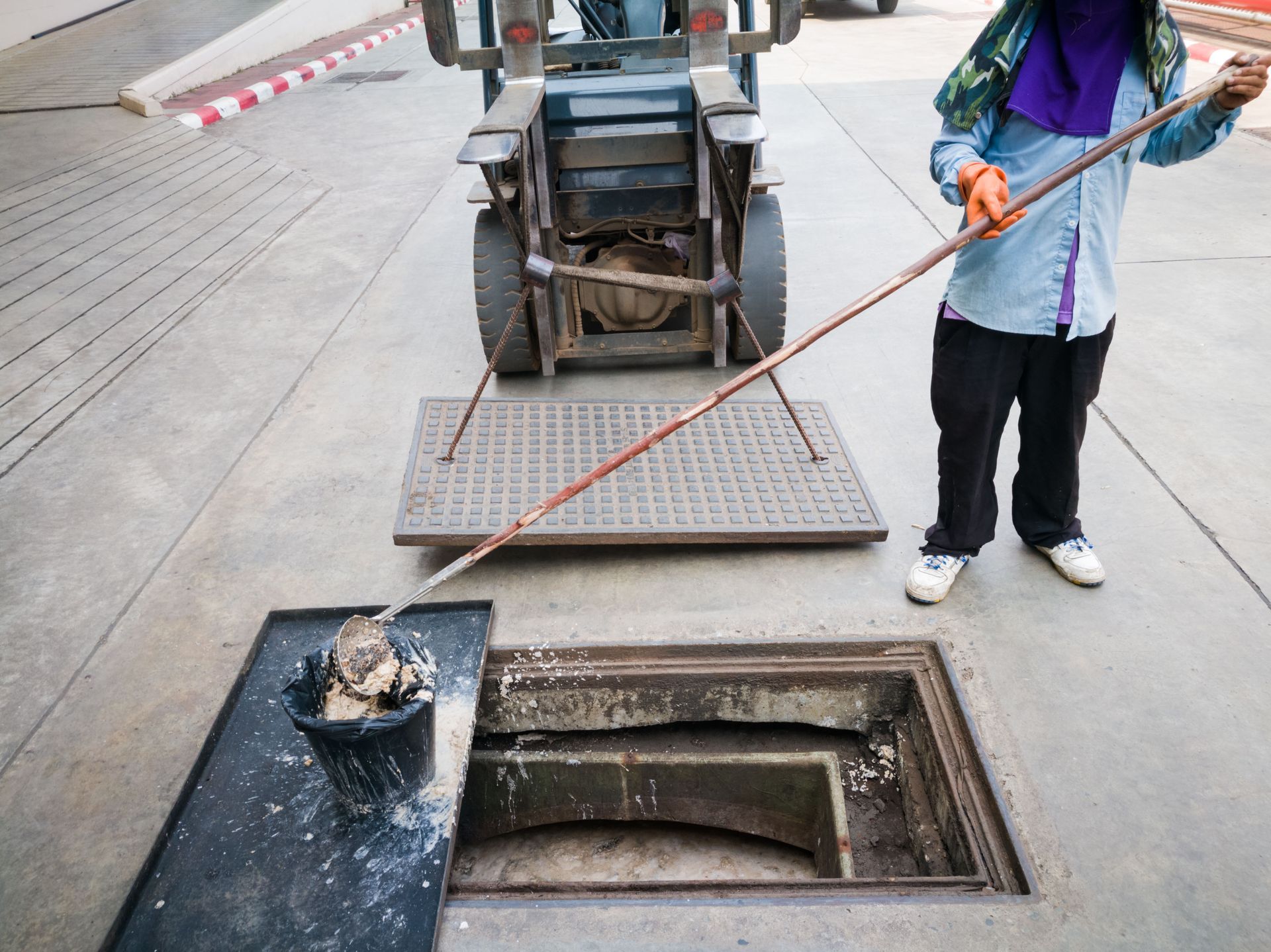
Every successful recycling program starts with proper collection practices. Restaurants and commercial kitchens typically store used cooking oil in designated containers after it has cooled sufficiently. These containers are designed to minimize spills, prevent contamination, and simplify pickup by professional recycling companies.
Collection schedules vary depending on the volume of grease a business generates. Busy restaurants may require weekly service, while smaller operations might only need pickups once or twice each month. Regular service prevents overflow while ensuring grease remains in good condition for processing.
Professional transport plays an important role in maintaining quality throughout the supply chain. Specialized trucks safely transfer the collected grease from storage containers to processing facilities without creating unnecessary mess or environmental hazards. Businesses that participate in grease recycling benefit from a streamlined system that keeps waste under control while supporting sustainability.
Proper storage before collection also affects the value of used grease. Keeping contaminants such as food scraps, water, and cleaning chemicals out of storage containers helps maintain higher-quality material for recycling. Cleaner grease is easier to process and can be converted into a wider range of useful products.
Many grease recycling providers also offer monitoring systems that help determine when containers are approaching capacity. This proactive approach reduces emergency pickups while preventing operational disruptions. Reliable collection services allow restaurants to focus on serving customers instead of managing waste.
Processing Creates Valuable Raw Materials
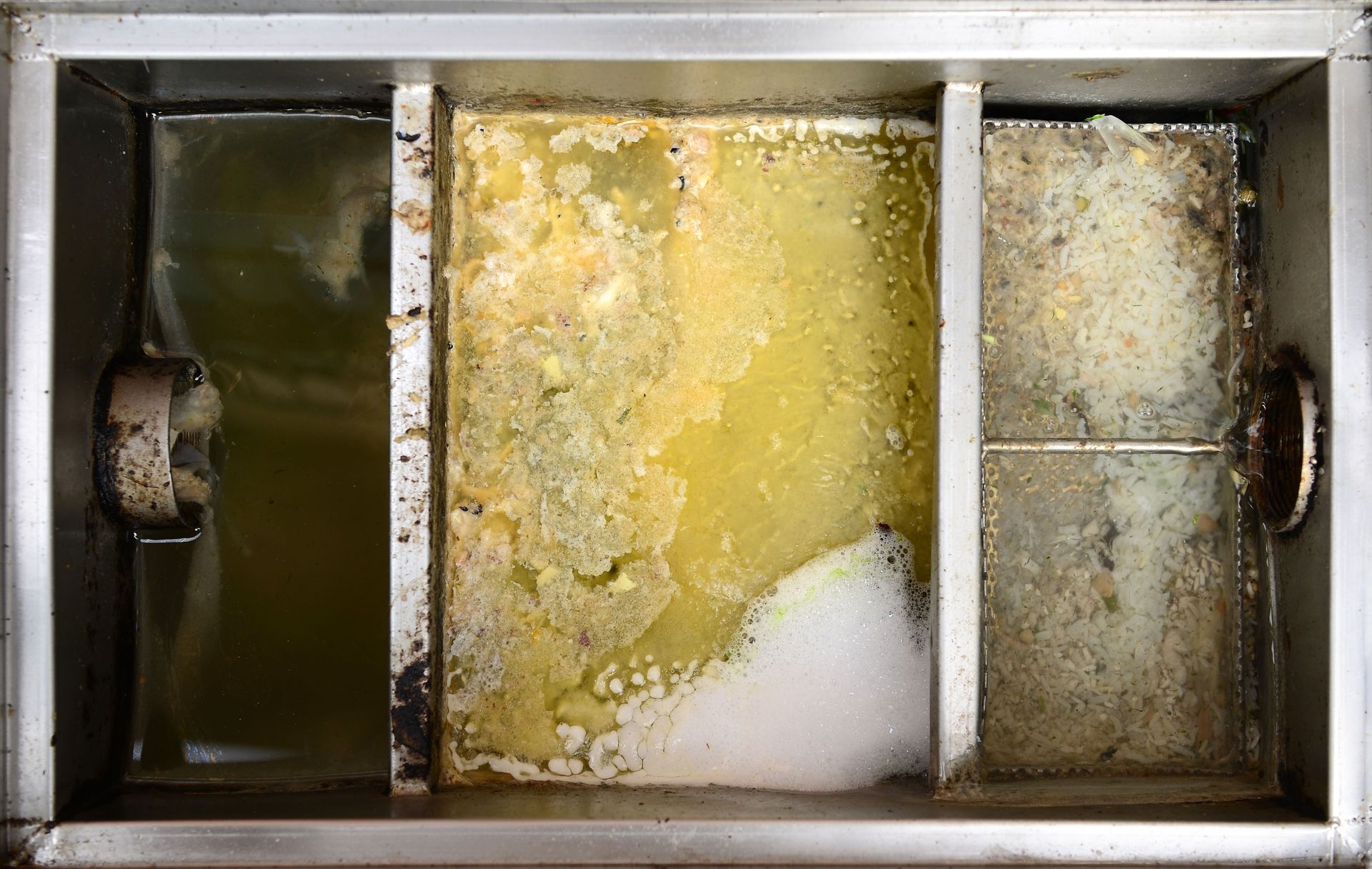
Once grease arrives at a recycling facility, it undergoes several processing steps to remove contaminants. Large food particles, excess moisture, and other impurities are separated from the oil using specialized equipment. This cleaning process prepares the material for additional refining and manufacturing.
Filtering represents one of the first stages of processing. Multiple filtration systems remove increasingly smaller particles that would otherwise interfere with downstream applications. Thorough filtration improves consistency and increases the quality of the finished recycled product.
After filtration, processors often heat and separate remaining water from the grease. Excess moisture can reduce efficiency during manufacturing, making dehydration an important part of the overall operation. Removing water also improves storage stability for refined products.
Additional refining may involve separating different types of fats and oils depending on the intended end use. Advanced processing technologies allow facilities to produce consistent raw materials that meet strict manufacturing specifications. Businesses participating in grease recycling help supply industries that depend on these renewable feedstocks.
Quality control remains essential throughout every stage of processing. Samples are routinely tested to verify cleanliness, composition, and suitability for specific applications. Careful monitoring ensures manufacturers receive dependable materials that perform consistently.
The result is a refined product ready for multiple commercial uses. Rather than becoming waste, used cooking grease enters a new production cycle that conserves valuable natural resources. This transformation demonstrates the practical value of responsible recycling programs.
Conversion Produces Sustainable Products
One of the most important destinations for recycled grease is renewable fuel production. Refined used cooking oil serves as a feedstock for biodiesel and sustainable aviation fuel, helping reduce reliance on virgin petroleum resources. As fuel technologies continue advancing, recycled grease has become increasingly valuable within the renewable energy sector.
Biodiesel manufacturers process recycled oils into cleaner-burning transportation fuels. These fuels can reduce greenhouse gas emissions while utilizing materials that would otherwise require disposal. Continued investment in renewable fuel infrastructure has increased demand for recycled cooking oil across multiple industries.
Sustainable aviation fuel represents another rapidly expanding application. Airlines and fuel producers continue seeking renewable alternatives that lower carbon emissions without sacrificing performance. Used cooking oil has become an important ingredient supporting this transition toward more sustainable air travel.
Beyond transportation fuels, recycled grease contributes to numerous industrial products. Manufacturers use processed oils in soaps, detergents, lubricants, animal feed ingredients where regulations permit, and various chemical products. These diverse applications illustrate the versatility of recovered cooking oils.
Every gallon that enters grease recycling instead of the waste stream helps conserve raw materials. Recycling reduces demand for newly produced resources while extending the useful life of existing materials. This circular approach supports both economic efficiency and environmental responsibility.
Innovation continues creating new opportunities for recycled grease. Researchers regularly explore additional methods for converting recovered oils into valuable products that meet evolving industrial needs. As technology advances, the importance of recycled feedstocks is likely to continue growing.
Benefits Extend Beyond Individual Businesses
Restaurants that recycle grease experience advantages beyond simple waste disposal. Proper grease management helps prevent clogged plumbing, reduces maintenance expenses, and minimizes unpleasant odors around storage areas. Maintaining organized recycling practices also supports cleaner, safer working environments for employees.
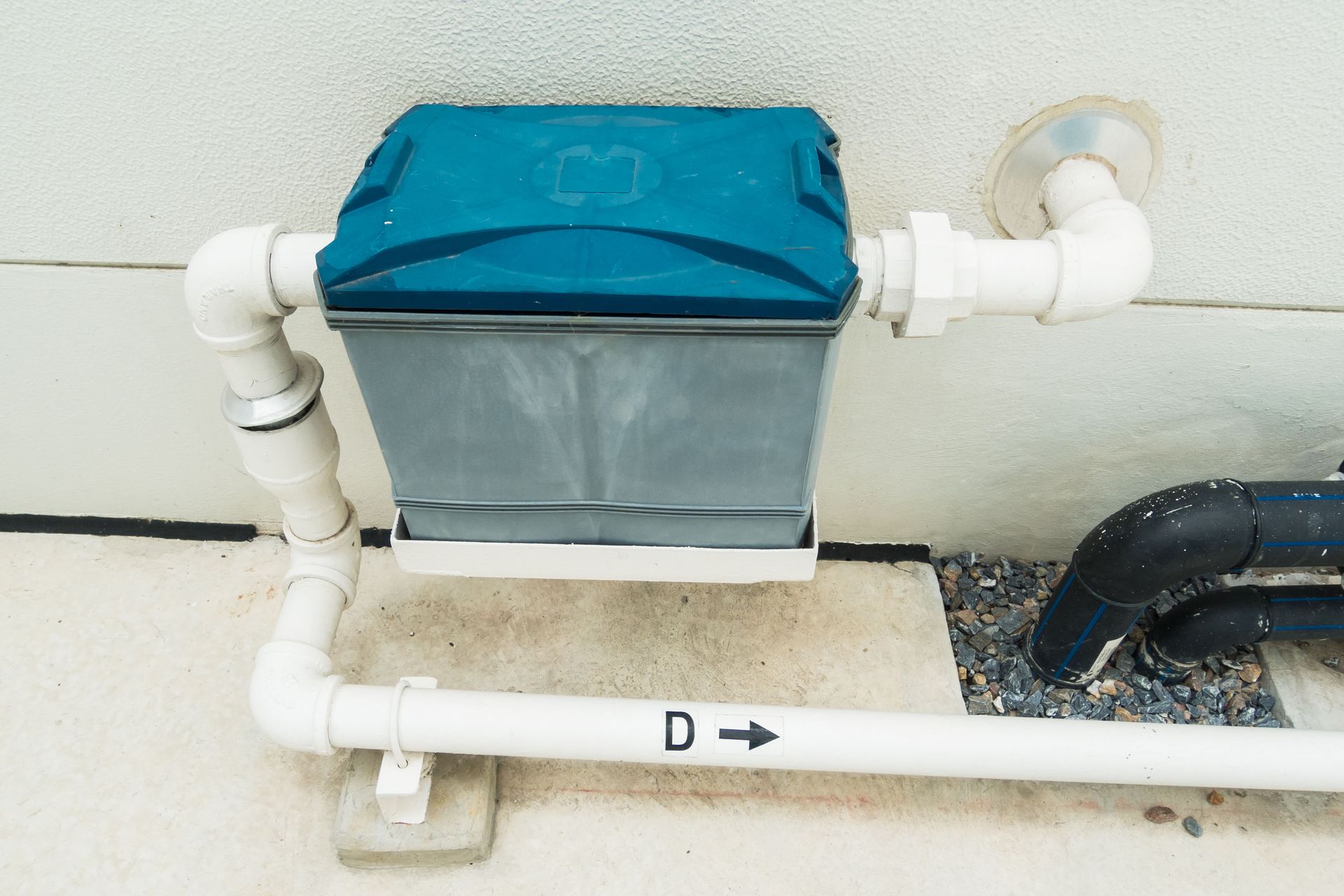
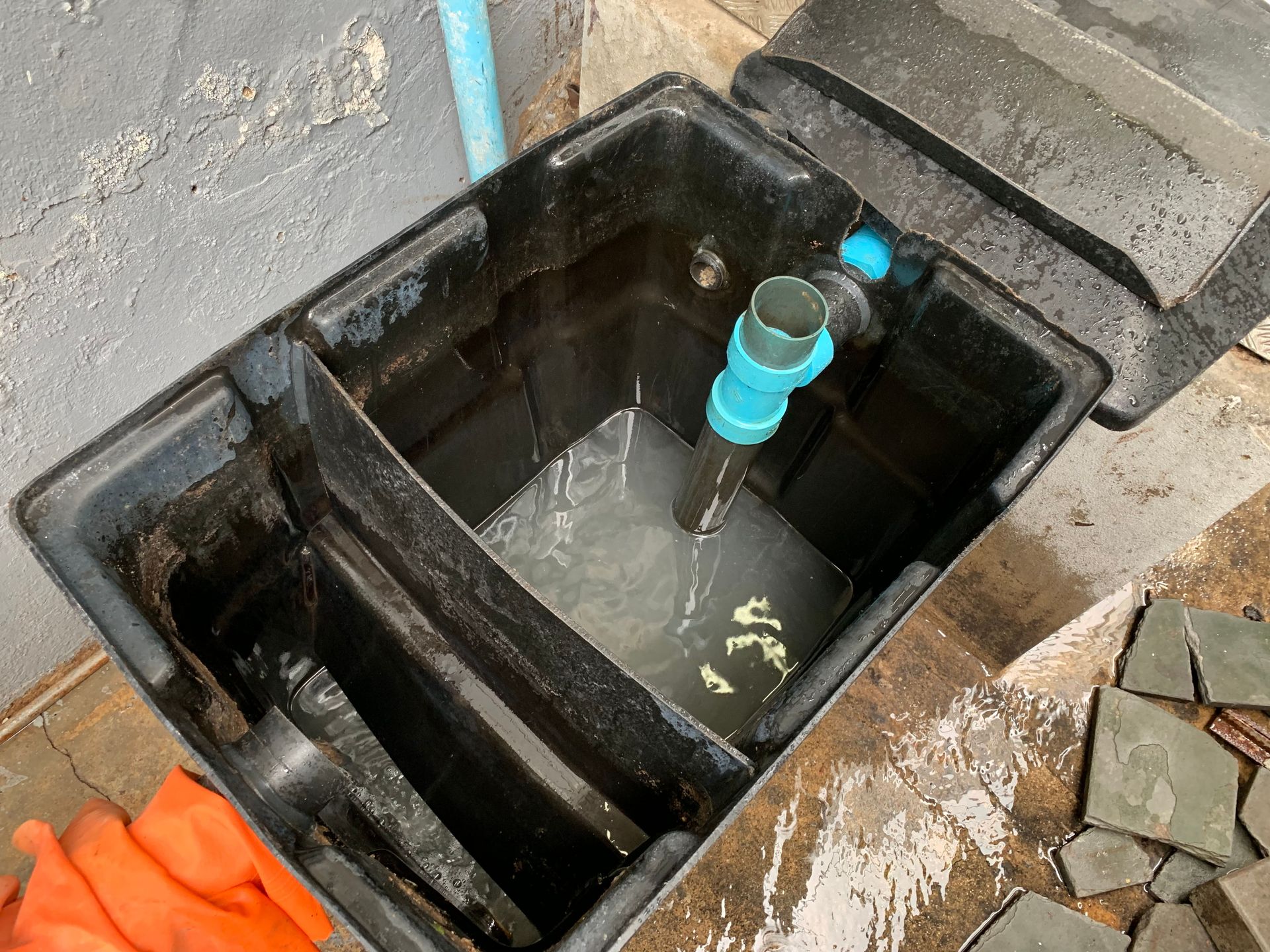
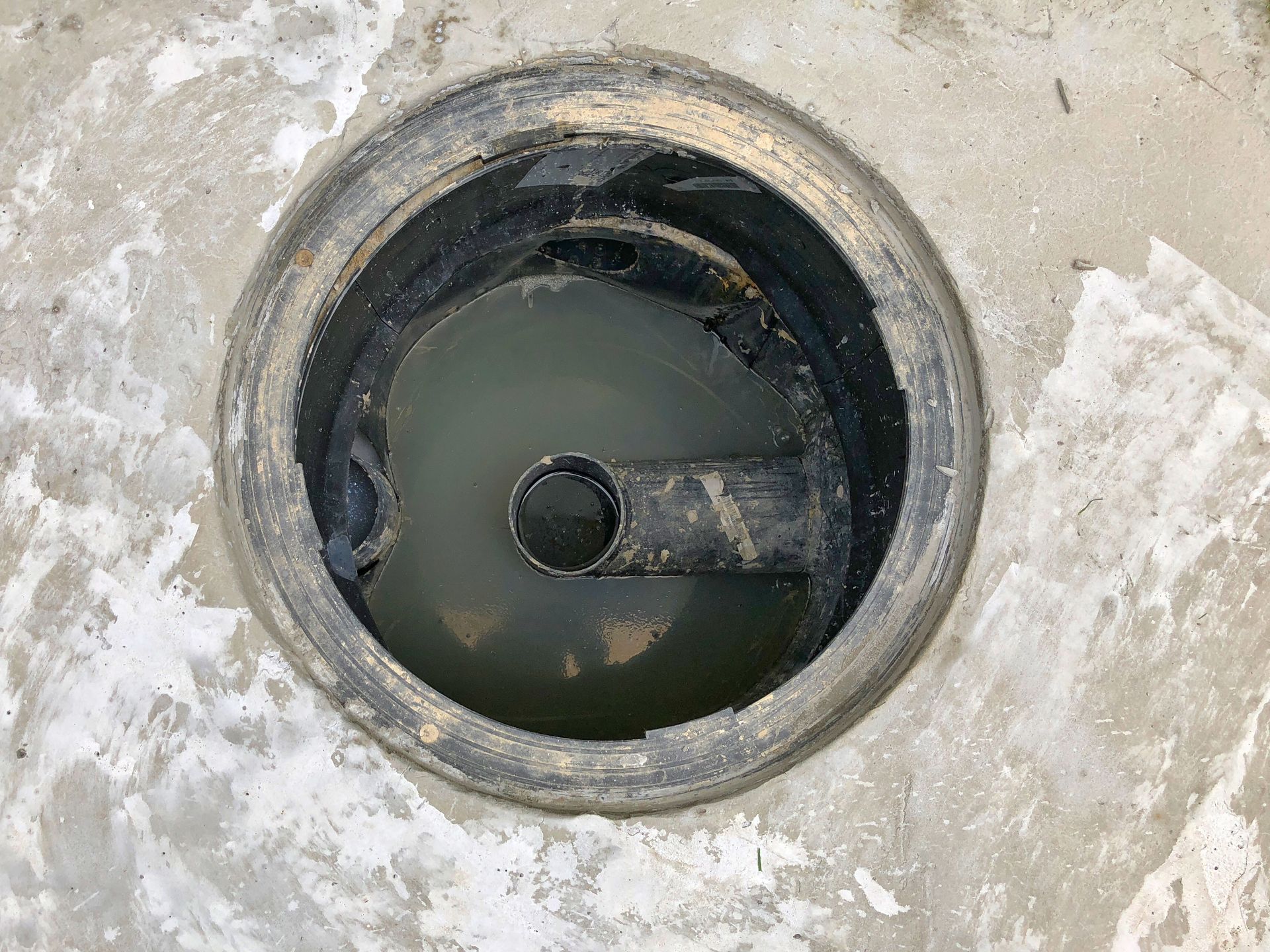
Municipal infrastructure benefits as well. Grease improperly poured down drains contributes to sewer blockages that can lead to expensive repairs and environmental contamination. Diverting used cooking oil into professional recycling systems helps protect public wastewater infrastructure from avoidable damage.
Environmental benefits reach even further. Recycling reduces landfill waste while supporting renewable manufacturing processes that make productive use of existing materials. Every successful grease recycling program contributes to broader sustainability goals by encouraging responsible resource management.
Customers increasingly appreciate businesses that demonstrate environmental responsibility. Many consumers prefer supporting restaurants that actively reduce waste and participate in sustainable business practices. Visible recycling efforts can strengthen a company's reputation within its local community.
Partnering with experienced recycling providers also simplifies regulatory compliance. Professional companies understand proper handling procedures, documentation requirements, and transportation standards that help businesses remain compliant with applicable regulations. Reliable service reduces uncertainty while improving operational efficiency.
Long-term sustainability depends on participation from businesses of every size. Whether a restaurant generates a few gallons each week or hundreds of gallons each day, every contribution supports a larger recycling network. Continued commitment to grease recycling helps transform everyday waste into valuable resources that benefit multiple industries.
The journey of recycled grease demonstrates how materials once considered waste can become valuable resources through proper collection, processing, and manufacturing. From renewable fuels to industrial products, recycled cooking oil supports a wide range of sustainable applications while reducing environmental impact and protecting critical infrastructure. By participating in
grease recycling, businesses help create a cleaner, more resource-efficient future for everyone.
At Grease Recyclers LLC, we take pride in helping businesses manage used cooking oil responsibly and efficiently. We provide dependable collection services and work hard to ensure every gallon receives the highest-value second life possible. Contact us today, and let us help you make recycling a seamless part of your operation.
Share On: