Why Choosing Local Grease Recycling Makes All the Difference
The used cooking oil produced in commercial kitchens across the Greater Houston area represents one of the most consistently generated and most frequently mismanaged waste streams in the food service industry. What happens to that oil after it leaves the fryer determines whether it becomes an environmental liability or a reusable resource that benefits the community and the broader ecological system surrounding the city. Choosing a local partner for cooking oil collection and grease management rather than a distant national company produces meaningfully different outcomes for the businesses, the environment, and the community where the oil was generated in the first place. Understanding the specific advantages that local service delivers helps restaurant and food service operators make a more informed and more responsible choice about who handles their used cooking oil every week.
Appreciating the Scale of the Used Cooking Oil Challenge
According to the EPA, restaurants produce an average of 35 pounds of used grease and oil each day, which gives a tangible sense of the volume of material that commercial kitchens across the Houston metropolitan area generate on a continuous and relentless basis throughout every week of the operating year. Local grease recycling that collects and processes this volume through a structured pickup and recycling program prevents the majority of it from being improperly disposed of in ways that clog municipal sewer systems, contaminate waterways, and create the environmental and regulatory problems that food service operators genuinely need to avoid. A local partner who understands the specific volume patterns and collection needs of Houston-area commercial kitchens designs pickup schedules that match the actual generation rate of each customer rather than imposing a standardized schedule that fails to account for the real operating rhythm of each individual restaurant or food service facility.
Turning Waste Into a Valuable and Reusable Resource
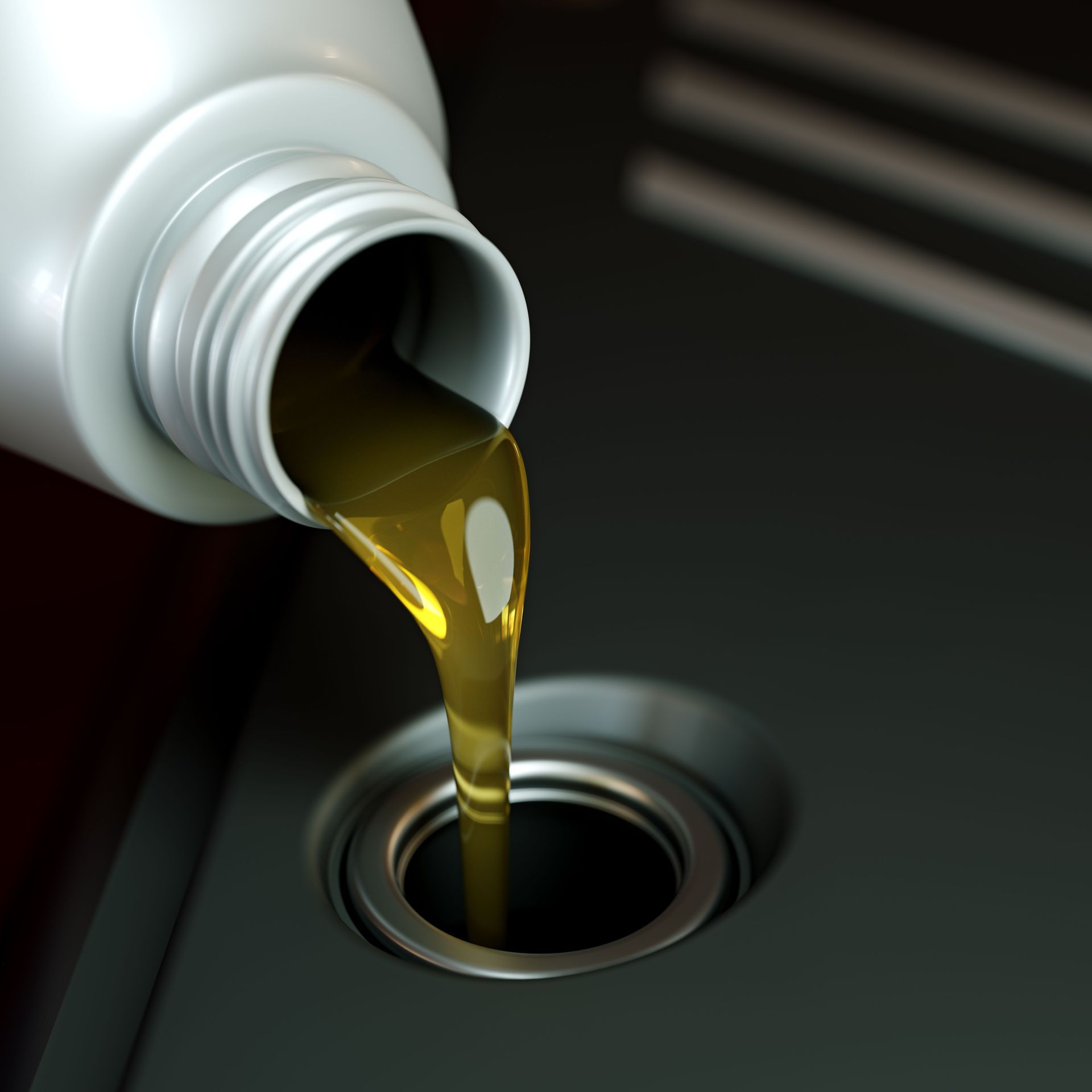
Used cooking oil that is collected through a professional recycling program does not simply disappear — it is processed and transformed into biodiesel, industrial lubricants, animal feed supplements, and other products that give the material a second life rather than sending it to a landfill or allowing it to create blockages in the regional drainage and sewer infrastructure. Local grease recycling that processes the collected oil into renewable fuel contributes to the regional energy supply and reduces dependence on petroleum-based alternatives in a measurable and environmentally meaningful way that aligns with the sustainability goals that many Houston-area businesses are actively pursuing as part of their operational and corporate responsibility commitments. Understanding that the material being collected from the back of the kitchen is a raw material rather than a waste product changes how food service operators view their participation in a recycling program and reinforces the genuine environmental contribution their business makes every time a collection pickup is scheduled and completed.
Receiving Top Dollar for Used Cooking Oil Collections
One of the most immediately practical reasons for food service operators to choose a grease recycling partner is the opportunity to receive payment for the used cooking oil that is collected from their facility, which transforms a waste management cost into a revenue stream that benefits the business's bottom line rather than simply reducing its environmental footprint. Local grease recycling programs that pay top dollar for collected used cooking oil give restaurant owners a direct and tangible financial incentive to maintain their collection program consistently and to ensure that all of their used oil is channeled into the recycling stream rather than allowing any portion to be improperly disposed of through alternative means that provide no financial return and create regulatory risk. The first free trap cleaning offered when a business signs up for used cooking oil pickup is an additional financial incentive that reduces the initial cost of establishing the service relationship and gives new customers an immediate and tangible demonstration of the value that comes with choosing a responsive local provider.
Keeping Grease Traps Clean to Protect the Drainage System
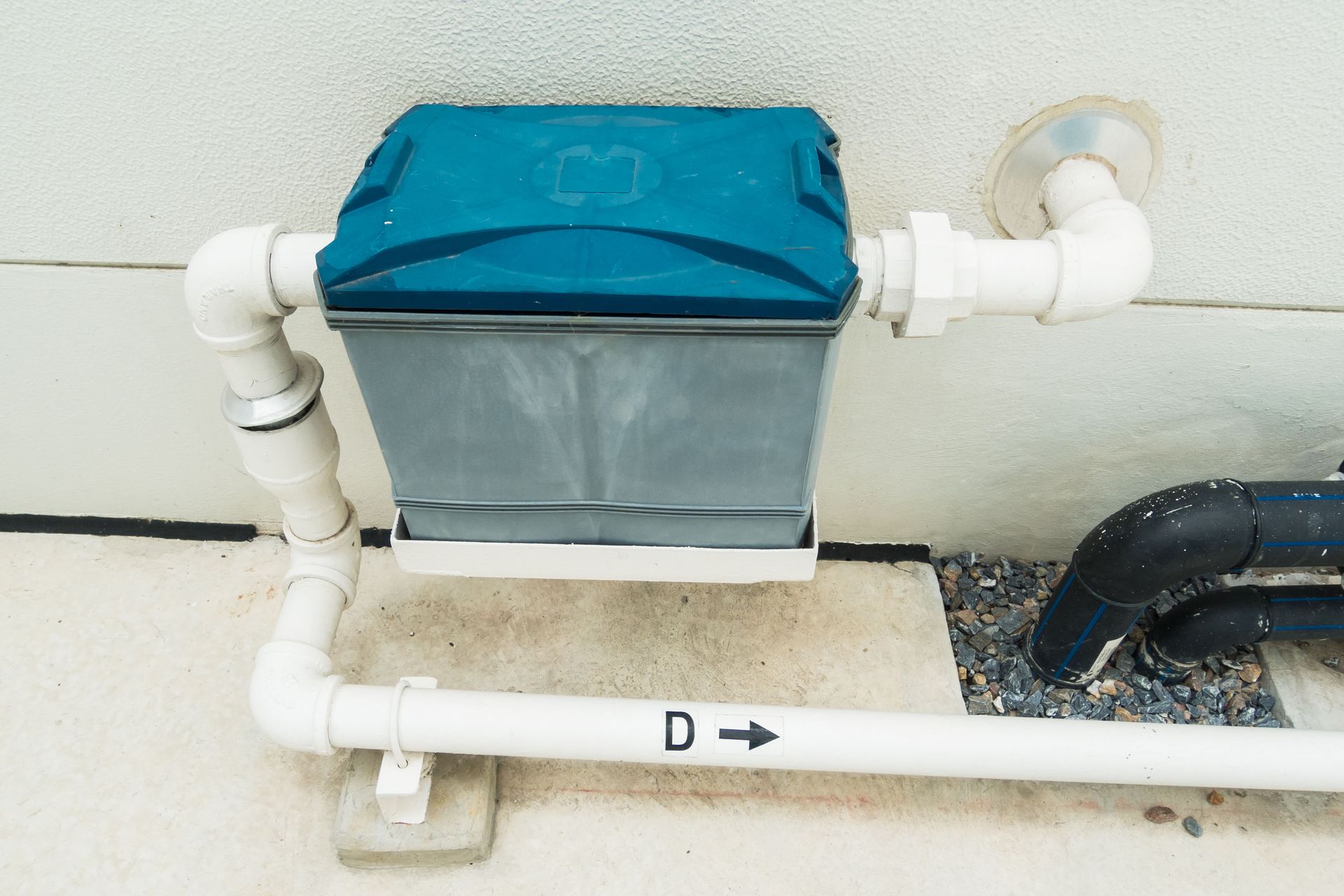
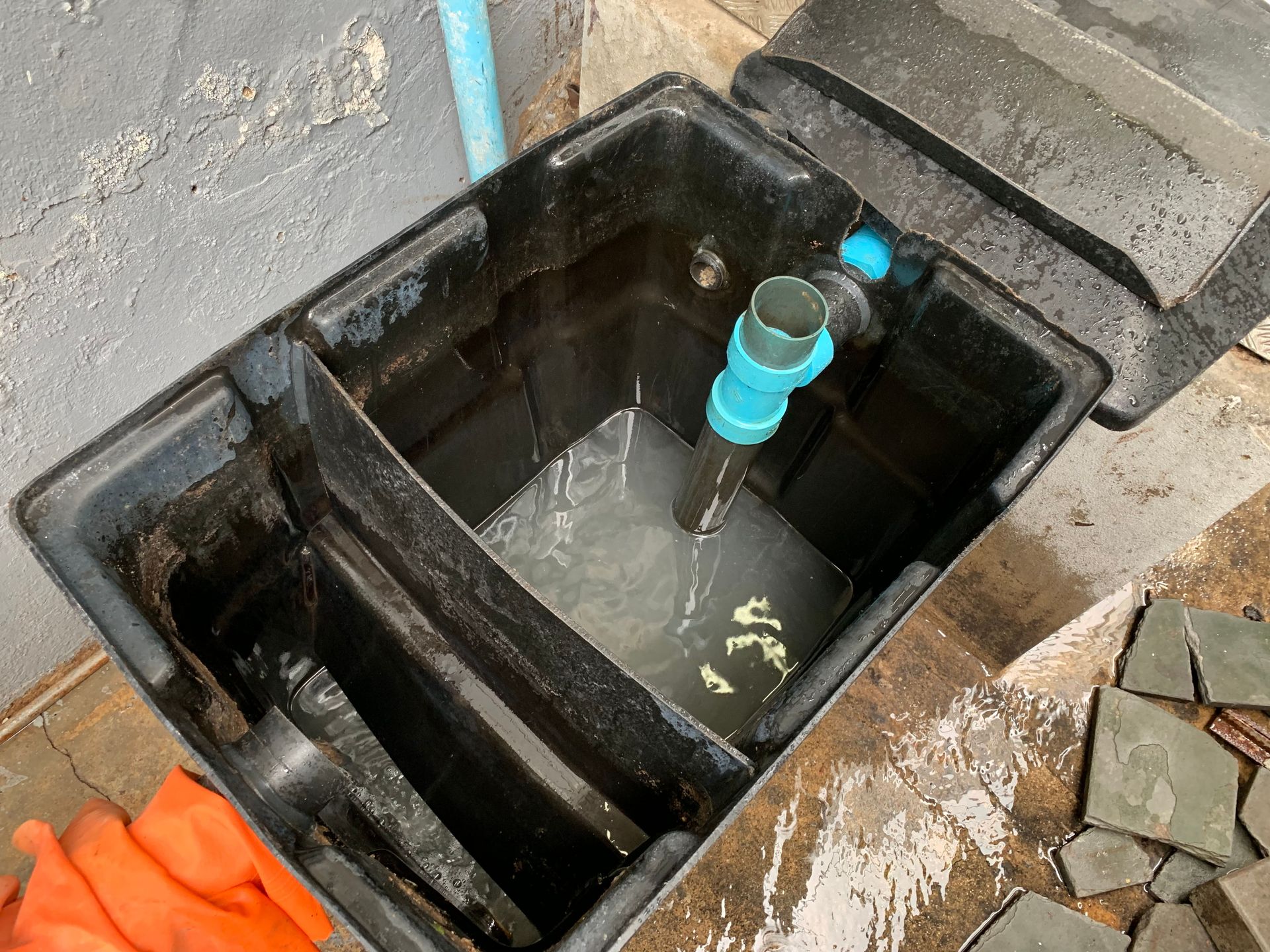
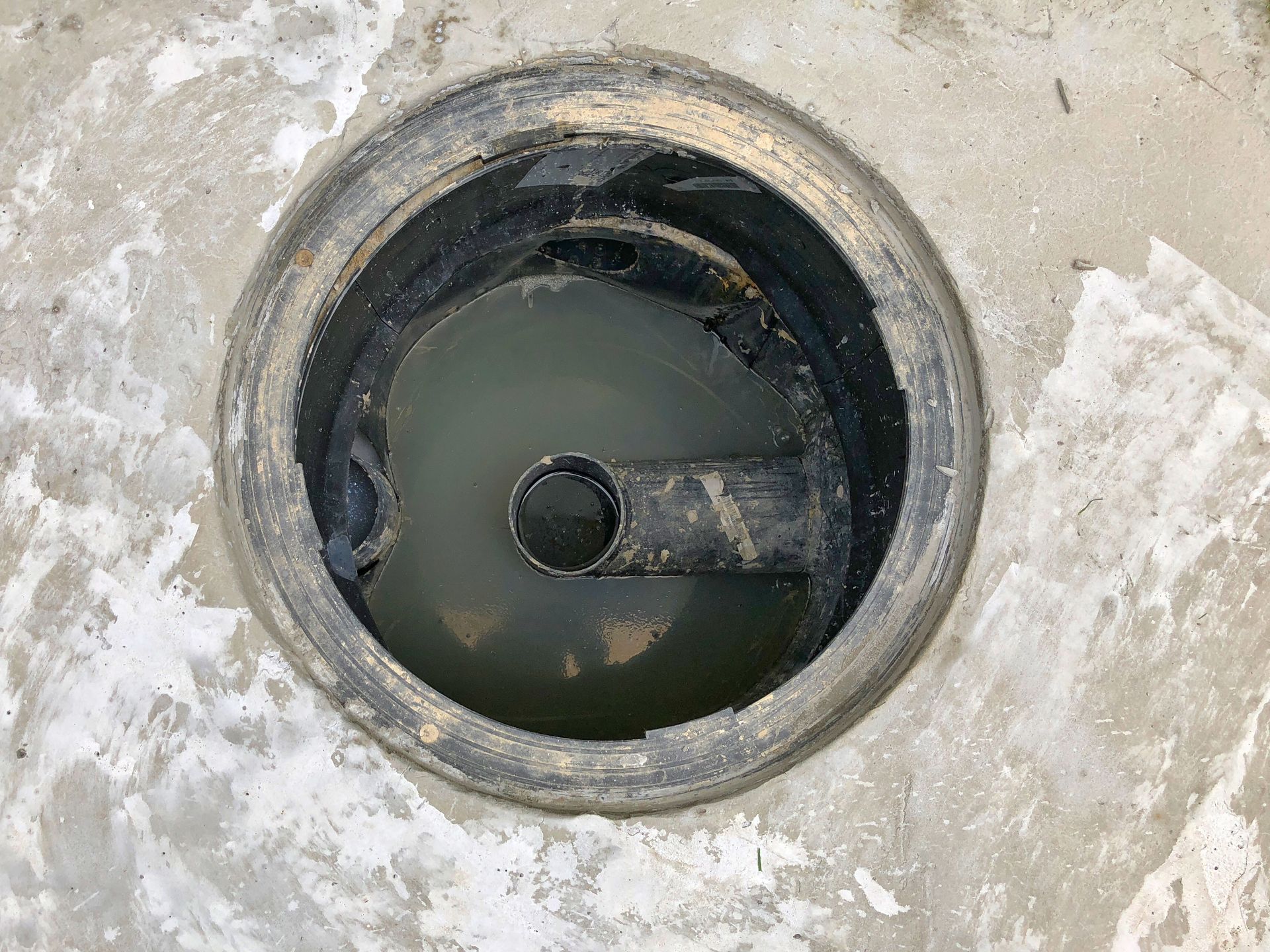
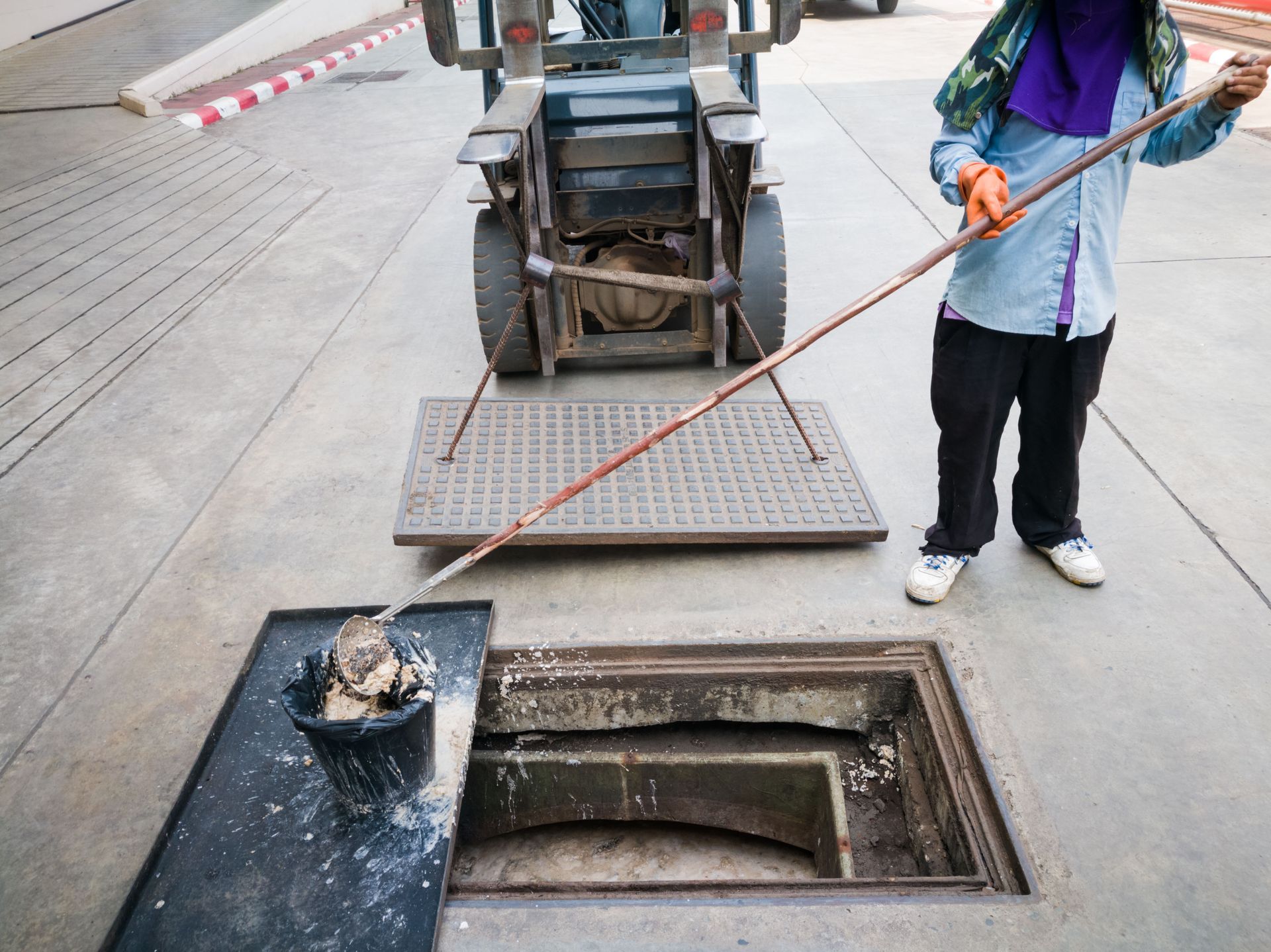
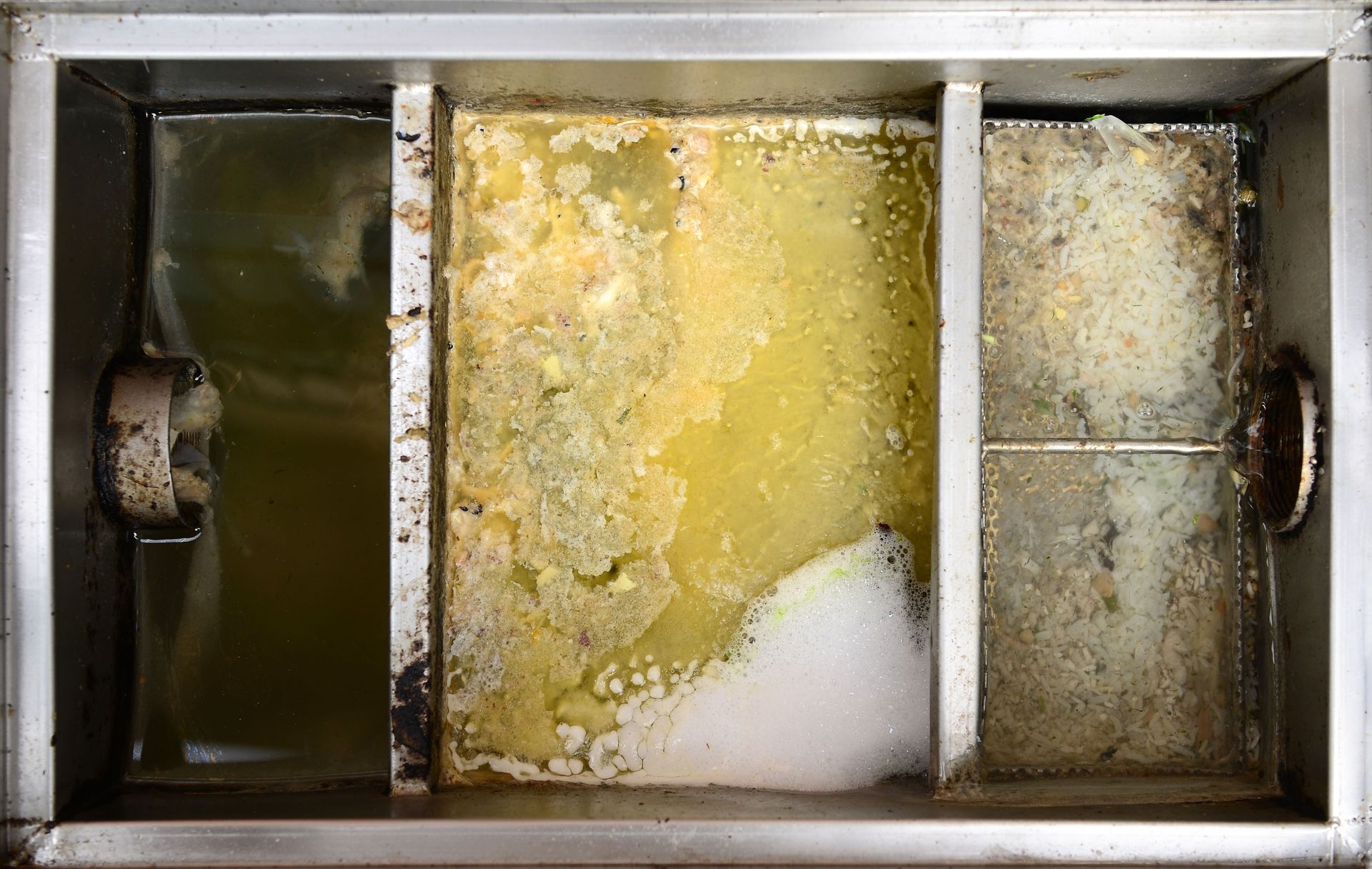
A grease trap that is not cleaned at appropriate intervals becomes a source of the odors, clogs, and overflow conditions that create operational headaches for restaurant managers and regulatory compliance problems with the municipal authorities responsible for maintaining the integrity of the regional sewer and drainage infrastructure. Local grease recycling providers who also offer grease trap cleaning give customers a single service relationship that addresses both the used oil collection and the trap maintenance requirements that commercial kitchens must meet to operate in compliance with local ordinances and health department standards throughout every month of the year. Regular professional cleaning keeps the trap functioning within the parameters it was designed to operate within, which protects the kitchen's plumbing from the backup and overflow conditions that untreated grease accumulation consistently produces in commercial facilities where high-volume cooking generates more grease than an inadequately maintained trap can consistently process.
Using Custom Grease Containers That Match the Kitchen's Volume
The container in which used cooking oil is collected between pickup visits directly affects how efficiently the collection process works and how safely the oil is stored on the property until the scheduled pickup removes it from the premises at the next available service appointment. Local grease recycling that includes custom grease container options ranging from 50 to 2,000 gallons gives food service operators the flexibility to select the container size that matches their actual daily generation volume rather than being forced to manage a container that is either too small to hold a week's production or too large to be practically positioned in the available space behind the facility. A properly sized and properly positioned container reduces the likelihood of overflow between pickups, eliminates the need for interim disposal workarounds that create compliance risk, and makes each scheduled collection visit faster and more efficient for both the customer and the service team completing the pickup.
Benefiting From Next-Business-Day Service Reliability
Commercial kitchens cannot pause their operations to wait for a grease collection service that operates on a distant or unpredictable schedule, and the service reliability of the provider the kitchen chooses is one of the most operationally critical factors in the performance of a long-term grease management relationship. Local grease recycling with next-business-day service availability gives food service operators the confidence that a collection request will be fulfilled within a timeframe that keeps the kitchen operating without the storage overflow or compliance pressure that slow or unreliable service creates for high-volume operations throughout the greater Houston area. A service provider open six days a week including Saturday addresses the reality that commercial kitchens do not operate on a Monday-through-Friday schedule and that the most demanding service needs frequently arise on weekends when less available providers are unable to respond with the same speed and reliability that a locally owned and operationally flexible business consistently delivers.
Choosing a locally owned and operationally committed partner for used cooking oil collection and grease management produces better outcomes for the business, the community, and the environment than any alternative approach that treats this waste stream as a low-priority disposal problem rather than a recoverable resource and a compliance responsibility worth managing with genuine professional care. From top-dollar payment for collected oil and professional grease trap cleaning to custom containers, next-business-day service, and ISCC certification, every element of a comprehensive local program reflects the kind of responsive and accountable service that only a deeply invested local provider can consistently deliver.
Grease Recyclers LLC has proudly served commercial kitchens throughout Houston, TX and surrounding communities including Alvin, Baytown, Conroe, Katy, Pasadena, Pearland, Spring, Sugar Land, Tomball, The Woodlands, and all of Brazoria County and surrounding areas since 2005, offering local grease recycling, grease trap cleaning, and custom grease containers from 50 to 2,000 gallons, all backed by 20 years of experience, next-business-day service, competitive pricing, ISCC certification, bilingual English and Spanish service, six-day availability including Saturday, and a first free trap cleaning for new used cooking oil pickup customers. For more information, contact us today!
Share On: